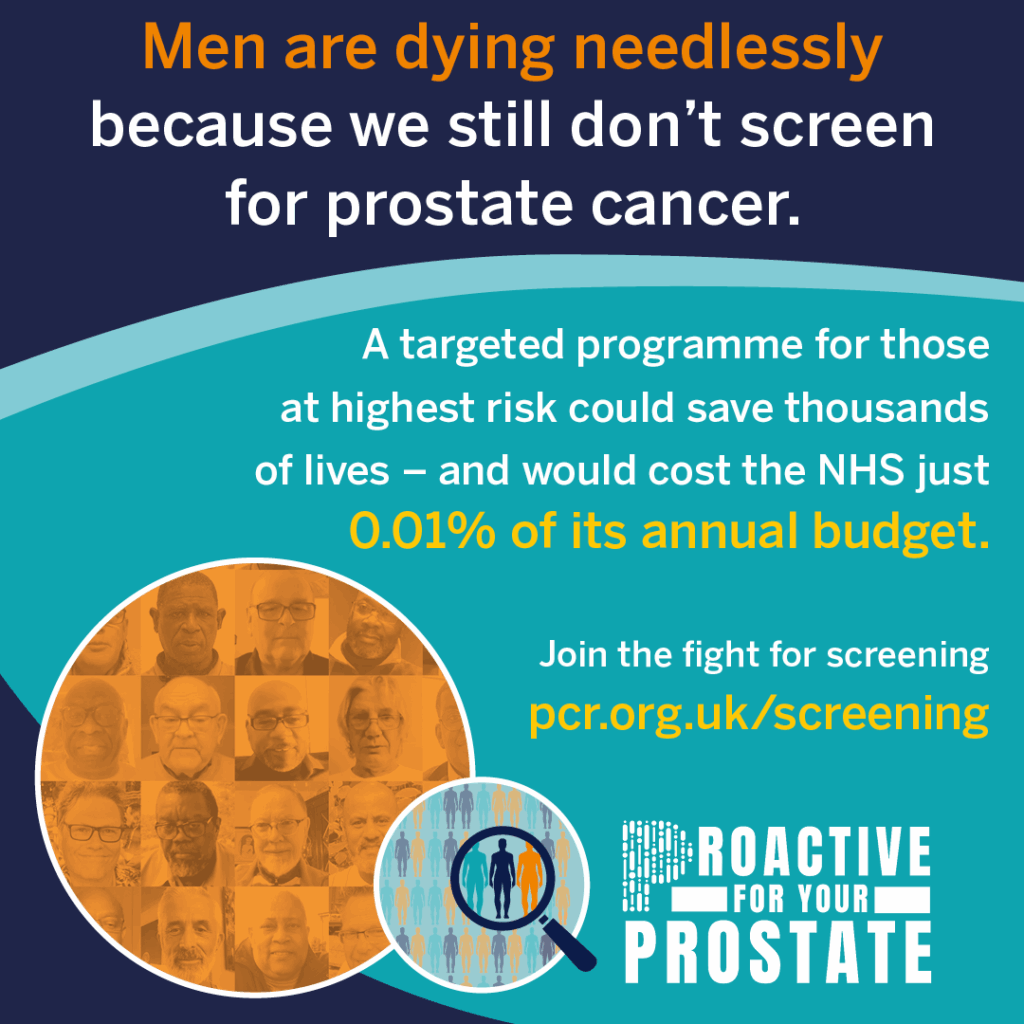
Our report shows that a screening programme is not only possible, but practical and affordable.

A targeted screening programme for high-risk men aged 45–69 would save lives, reduce inequalities and ease late-stage pressures on the NHS. The cost is modest and the workforce implications manageable. Compared with the scale of the benefits, these demands are minimal. Our findings suggest:


That a targeted screening programme for men of Black ethnicity and men with a relevant family history will:

  • Cost the NHS an extra ~£25 million annually (around 0.01% of the NHS budget) – at a cost of £18 per eligible individual this is in line with screening costs for other cancers such as cervical, bowel and breast cancer;
  • Involve a ~23% increase in the number of PSA tests, MRIs and biopsies delivered;
  • Require an uplift in full-time equivalent positions in the NHS workforce from 0.01%–0.4% depending on the discipline;
  • Reduce entrenched inequalities for Black men, those with a family history of prostate cancer and those in areas with high levels of deprivation.

Evaluating and adopting innovations such as reflex blood tests, AI-enabled MRI, polygenic risk scores, digital pathology and other emerging technologies will reduce pressures on services and help pave the way for future whole population screening.
Read our four recommendations below.

(A full copy of the report can be found below the recommendations)

1. The UK National Screening Committee introduces a national programme targeted at screening for prostate cancer in high-risk men aged 45–69 to reduce inequalities and save lives.

2. The Department of Health and Social Care, and health departments in the devolved nations, ensures funding and workforce plans to implement a targeted screening programme, recognising its affordability (~£25m annually) and deliverability.

3. NHS bodies across the UK and relevant devolved governments strengthen case finding and data, standardising how ethnicity and family history are recorded and supporting this with national and community outreach.

4. National funders should enable NHS-led piloting, implementation and evaluation of emerging technologies – such as reflex tests, AI-assisted MRI, polygenic risk scores and digital pathology – to generate the evidence needed for adoption and future whole population screening.

Download Prostate Cancer Screening: The Impact on the NHS

It is high time to screen.

We have challenges ahead, but with your help, we can overcome them and change the future of prostate cancer screening for men across the country.


  • Your donation, whatever the size, will help fund our campaign for a national screening programme, to diagnose this terrible disease earlier and save thousands of lives. Donate today.
  • Write to your MP and ask them to support this campaign using our template.
  • Share our campaign materials on your social media.

Share to your socials

Download our assets and share on your social media. Need inspiration? Copy our suggestion below:

Share our latest Screening Campaign Video

Screening Campaign Video

Reshare:

Create a social media post with our assets

Stuck? Copy the suggested copy below but remember to tag us!

Facebook: @Prostatecancerresearchnews
X (Twitter): @PCR_News
Instagram: @prostatecancerresearch
LinkedIn: @prostate-cancer-research

Help Prostate Cancer Research make national screening a priority. Join the fight today: https://pcr.org.uk/screening
Copy text
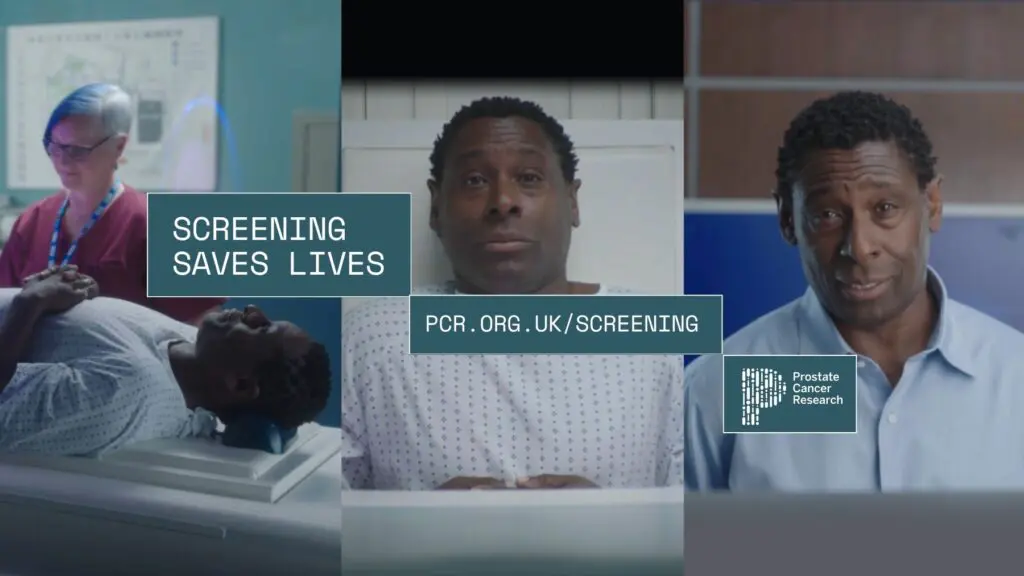
asset David Harewood Screening Saves Lives Banner

David Harewood Screening Saves Lives Banner

jpeg 159.4 KB
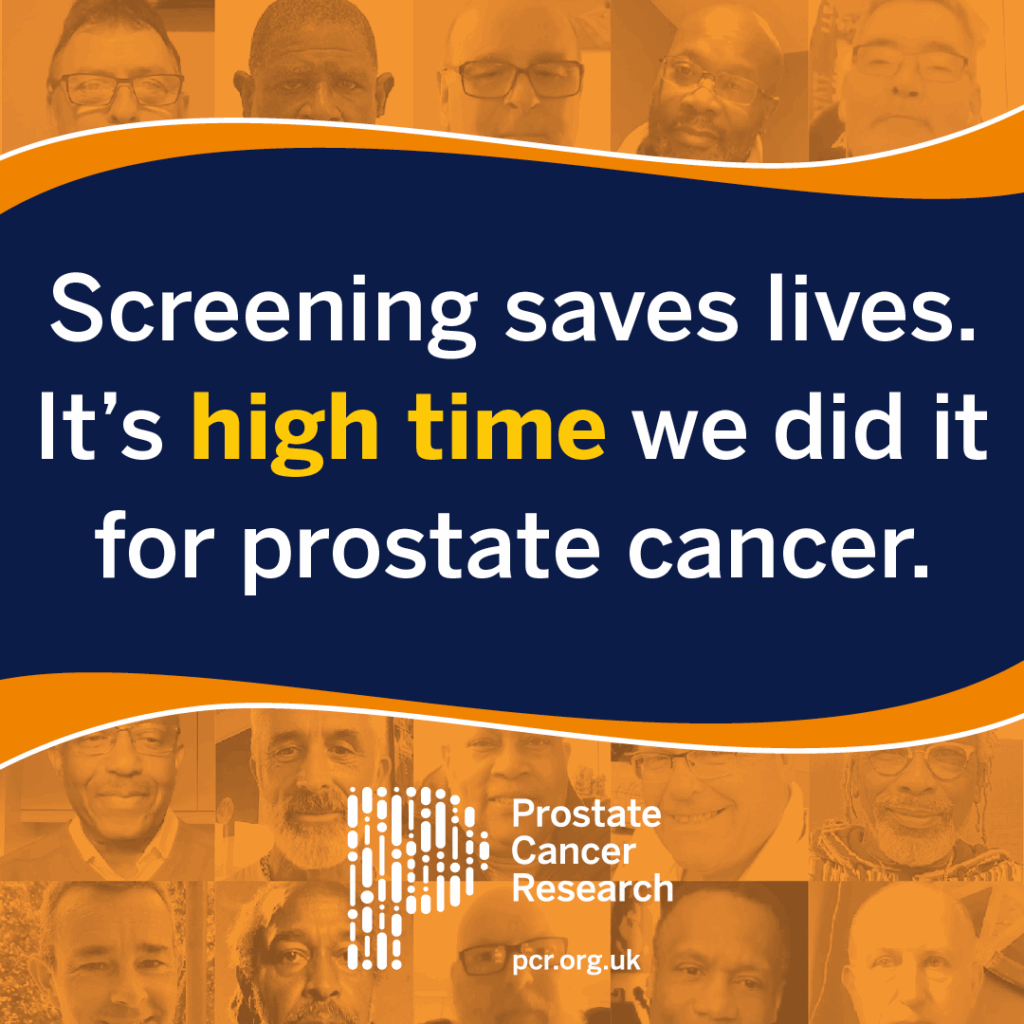
asset Screening Saves Lives. It’s High Time We Did It for Prostate Cancer

Screening Saves Lives. It’s High Time We Did It for Prostate Cancer

png 557.7 KB
asset Men Are Dying Needlessly Because We Don’t Screen for Prostate Cancer

Men Are Dying Needlessly Because We Don’t Screen for Prostate Cancer

png 336.4 KB
asset It’s Time to Improve Screening for Prostate Cancer

It’s Time to Improve Screening for Prostate Cancer

png 85.9 KB
Press enter or esc to cancel